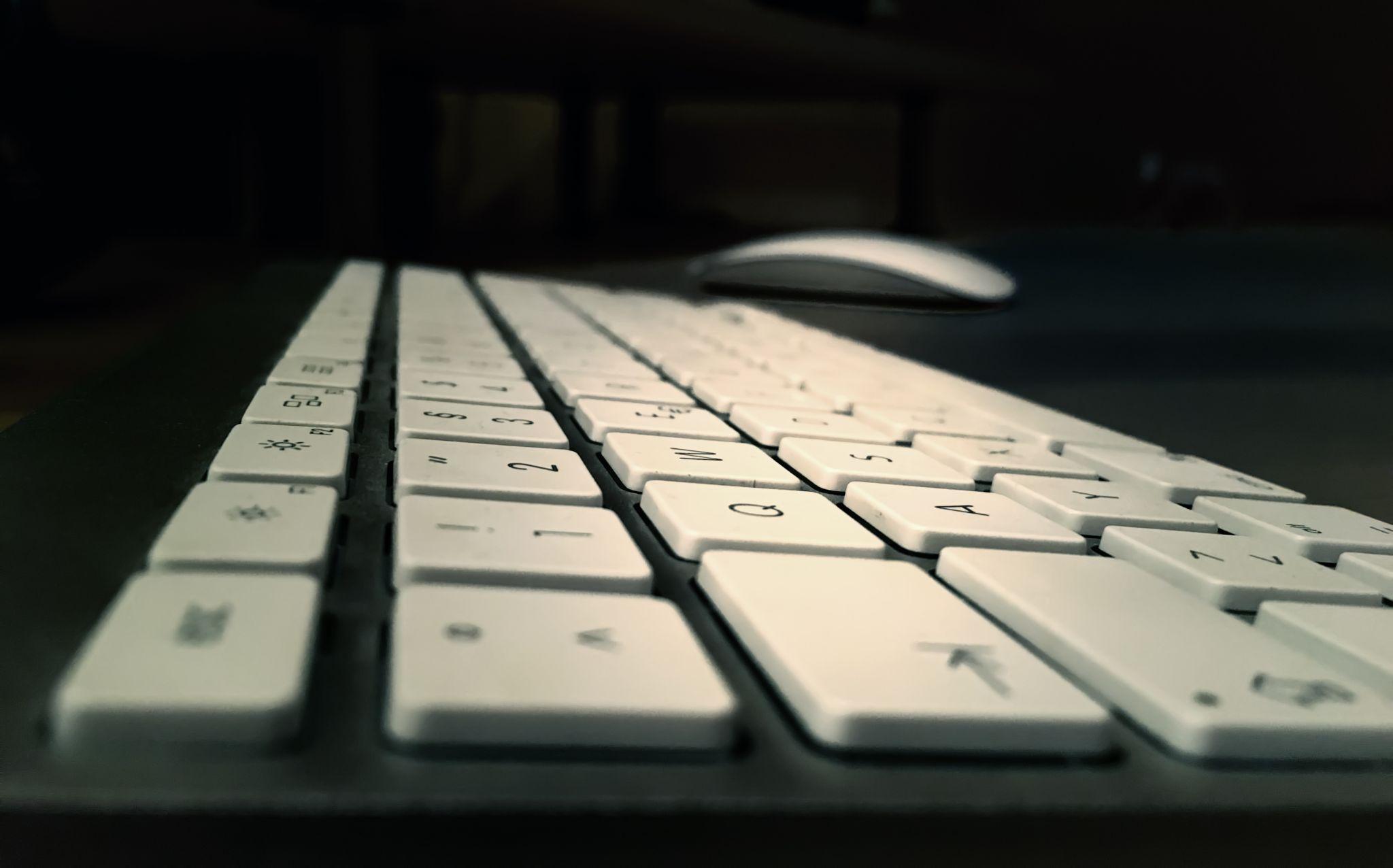
The update finished, the laptop restarted, and the keyboard no longer works. Or specific keys stopped responding. Or the keyboard works on the login screen but dies the moment the desktop loads. The timing is not a coincidence. OS updates break keyboard input through three distinct mechanisms, and knowing which one hit your machine makes the fix straightforward.
What Updates Actually Do to Keyboard Input
Operating system updates touch more of the keyboard input stack than most people realize.
Driver Replacement During Update
When Windows Update installs a new HID driver or an OEM keyboard driver, it sometimes replaces a working driver version with one that has a compatibility issue with your specific hardware. The old driver is removed. The new one installs incorrectly or partially. The keyboard stops working.
Input Service Configuration Changes
It happens when macOS major version updates modify how the HIToolbox input framework handles keyboard events. Sonoma, Ventura, and Sequoia have all shipped with specific bugs affecting keyboard input on subsets of hardware. These are not universal failures but hit particular hardware combinations consistently.
Filter Keys Or Accessibility State Changes
A Windows 11 feature update occasionally resets accessibility or filter keys settings to defaults in a way that activates Filter Keys, which introduces severe input delays that make the keyboard appear non-functional.
Boot Configuration Data Corruption
On Windows, boot configuration or data corruption occurs when an update modifies the BCD store and leaves a partial write. This does not always prevent booting, but can corrupt the hardware initialization sequence in a way that leaves input devices in an uninitialized state. This produces the specific symptom of a keyboard that works in the BIOS but not after Windows loads.
Kernel Extension Conflicts on macOS
It happens when a security update changes which third-party kernel extensions are permitted to load. A keyboard customization tool or input manager that relied on a kext (kernel extension) that the update now blocks will produce keyboard failures immediately after the update completes.
Confirm the Update Caused The Keyboard Failure
Open the keyboard test tool before doing anything else. If keys register in the test but typing does not work in specific applications, the update changed application-level input handling rather than the driver. If no keys register in the test tool, the failure is at the driver or OS input service level.
Verify Your Keyboard Inputs Now
Before applying software fixes, run our interactive keyboard tester to see if your key inputs register at all.
Check whether the keyboard works on the login or lock screen before your user session loads. If it works there but fails after login, the problem is user-session-specific: a startup application, a conflicting input manager, or a user-level accessibility setting. If it fails even on the login screen, the driver or system service is at fault.
These two data points determine everything about which fix path to follow.
Keyboard Fix Guide by Platform and Update Type
Windows Update Broke The Keyboard Driver:
Open Device Manager using an external keyboard or on-screen keyboard (search "on-screen keyboard" in the Start menu, accessible via mouse). Expand Keyboards. If your keyboard appears with a yellow warning triangle, right-click it and select Update Driver > Browse my computer > Let me pick from a list. Select "Standard PS/2 Keyboard" or an older driver version from the list and apply it. Restart.
If no keyboard entry appears at all and it has moved to Unknown Devices, right-click the Unknown Device, select Update Driver, and let Windows search automatically. If this fails, visit your laptop manufacturer's support page, download the keyboard or HID driver for your specific model, and install it manually.
Windows Feature Update Activated Filter Keys:
Go to Settings > Accessibility > Keyboard and check the Filter Keys status. If it is on, disable it. Also, check Sticky Keys and Slow Keys while in this menu. Windows 11 feature updates (22H2, 23H2, 24H2) have all been reported to reset these settings in isolated cases. This fix takes under 30 seconds once you are in the right settings page.
Windows Bcd Corruption After Update:
Boot from a Windows installation USB (create one on another machine using the Media Creation Tool). At the repair screen, select Troubleshoot > Advanced Options > Command Prompt. Run the following commands in sequence:
bootrec /fixmbr bootrec /fixboot bootrec /rebuildbcd
Restart without the USB and retest. This resolves keyboard failures caused by partial BCD writes during update completion.
Roll Back The Windows Update:
If the keyboard worked before a specific update and nothing else has changed, rolling back is the cleanest fix. Go to Settings > Windows Update > Update History > Uninstall Updates. Find the most recently installed update, uninstall it, and restart. If the keyboard works after the rollback, pause updates temporarily while waiting for Microsoft to ship a fixed version.
MacOS Update Broke Keyboard Input:
Open Terminal using an external keyboard or via Voice Control (System Settings > Accessibility > Voice Control, then say "Open Terminal"). Run:
sudo pkill -f "HIToolbox"
This restarts the macOS input handling process without a full reboot and resolves input service crashes caused by update-related state corruption in most cases.
If that does not work, boot into macOS Recovery (hold Command + R on Intel, or hold Power on Apple Silicon during boot). Open Terminal from the Utilities menu and run:
csrutil status
If System Integrity Protection shows as disabled (which some third-party tools require), an update may have blocked the kext that the tool depended on. Re-enable SIP by running csrutil enable in Recovery Terminal, restarting, and testing whether the keyboard works before reinstalling the third-party tool.
MacOS Update Broke A Keyboard Customization Tool:
If you use Karabiner-Elements, BetterTouchTool, or a similar input customization application, a macOS security or kernel update may have revoked the input monitoring permission it requires. Open System Settings > Privacy and Security > Input Monitoring and verify your tool is listed and enabled. If it is missing, reinstall the application and grant permissions again during the installation prompt.
Platform-Specific Post-Update Patterns
Windows 11 24h2
Shipped with a documented HID driver regression that affected a subset of Intel-based laptop keyboards, particularly on Asus, Acer, and Lenovo consumer models. The symptom was complete keyboard failure after the first post-update restart, with the keyboard reappearing in Device Manager only as an Unknown Device.
Microsoft released a patch through Windows Update within two weeks, but for affected users, the fix was a driver rollback via Device Manager while using an external keyboard.
MacOS Sequoia 15.0 And 15.1
It contained an input framework regression that caused keyboard input to drop entirely after waking from sleep on select MacBook Pro models with M3 chips. Apple patched this in 15.2. If you are on an earlier Sequoia version and experience post-sleep keyboard failure, updating to the latest Sequoia point release is the fix rather than troubleshooting the keyboard itself.
Chrome OS Updates
Chrome OS updates push a new major version, occasionally resetting keyboard shortcuts and input method configurations. If keyboard behavior changed after a ChromeOS update, go to Settings > Device > Keyboard and review the key mapping settings.
ChromeOS updates have been known to reset the Search/Launcher key behavior and the Caps Lock remapping to unexpected defaults.
Related Keyboard Issues That Overlap With the Current Problem
Users whose keyboard stopped working after an update and who are also seeing wrong characters typed instead of the correct ones should check whether the update changed their active keyboard layout. Windows feature updates have altered language and region settings on machines set up in non-English-speaking regions in multiple documented cases.
If the keyboard failure started after an update and the laptop is used with a dock or external display, the update may have introduced a USB controller driver change specific to docked keyboard failure rather than affecting the keyboard driver itself. Power negotiation and Thunderbolt firmware interactions can be exposed by certain OS versions.
When Software Rolling Back Is Not Possible
If the update cannot be uninstalled because it was a cumulative security update rather than a feature update, and driver reinstallation has not resolved the failure, a Windows Startup Repair or macOS system file integrity check is the next step.
On Windows, boot from installation media and run Startup Repair from the Advanced Options menu. This repairs corrupted system files introduced during the update without removing your user data or installed applications.
On macOS, boot into Recovery and run First Aid on the system volume through Disk Utility. If the volume shows errors, repair them before restarting. If First Aid reports the volume is healthy, reinstalling macOS through Recovery without erasing the drive replaces corrupted system files while preserving your data and applications.
How To Confirm Full Keyboard Function After the Fix
Run the keyboard test tool after applying any fix and test every key, including the function row, modifier keys, and any media or special keys your laptop model includes. Post-update keyboard failures sometimes leave specific key clusters non-functional while the rest of the keyboard appears to work, particularly function keys tied to OEM firmware features that the update touched separately from the main keyboard driver.
Wake the laptop from sleep and retest. Sleep-wake keyboard failure is the most common residual issue after update-related keyboard problems are partially resolved.
Frequently Asked Questions
Operating system updates often update system-level drivers. If an incorrect generic driver is installed, or if the update conflicts with third-party keyboard utilities, input communication will break.
In Windows, open Device Manager, expand Keyboards, right-click your device, select Properties, and click 'Roll Back Driver.' On macOS, ensure you perform a full restart and check System Settings for hotfixes.
This indicates a software conflict with a startup application or third-party keyboard manager. Restart in Safe Mode to isolate and disable conflicting background programs.